TheLifeCo Holistic Health & Wellness Centers
We are here to empower you with the right tools, knowledge, mindset, and nurturing environment and help you create the best version of yourself.
Experience a New Level of Wellbeing with Our Services
“I’m full of energy and glowing – it feels amazing!”
‘‘I felt that health was the most important thing, and I needed to care for my body. I understand why we did what we had to do: juice fasting. I got all my questions answered during my journey at TheLifeCo.’’
Miriam Abadi, Entrepreneur
Proven Approach for Transformation
4 Pillars for a Successful Transformation at TheLifeCo
We’ve crafted transformative experiences for thousands, guided by four foundational principles for holistic change.
Nutrition
Flexibility
Environment
Mind
All You Need is a Little Inspiration
Our approach to health and well-being starts with YOU and YOUR desires in life. We will guide you towards the best version of yourself with our vast experience in transforming people. A 4-21-day program will empower you to increase your quality of life and focus on your real goals.
Join Anytime That Suits You
Unlike other retreat programs, we are ready to have you 365 days of the year. TheLifeCo centers and experts are at your disposal year-round. Remember: The best time to start your transformation is NOW.
Stay as Long as You Need
You can choose the optimum length for your journey depending on your needs and availability. We suggest at least 4 days to kickstart any transformation; however, guests have stayed with us for up to six months. It depends on you, just like everything else in your life.
3 Destinations
TheLifeCo Wellbeing Centers
We provide the optimum wellness retreat experience in 3 centers, each designed to meet your specific requirements to create a new version of yourself.
Healthy Weight Loss
Weight loss is a direct result of our balanced meal plans and wide range of detoxification therapies
Chronic Disease Prevention
Our programs can manage chronic diseases such as diabetes, cholesterol and hypertension following our medical team's suggestions
Increased Sleep Quality
A well-designed experience and healthy routines combined with the right nutrition increases sleep quality drastically
Increased Energy
Lack of energy is usually a result of a poorly managed diet and lack of exercise. During your program, you will feel the change starting day 1
Better Digestion
The digestive system is usually the first to create symptoms of an unhealthy lifestyle. We understand and value digestion as a foundation in our programs
Glowing Skin
The anti-aging effect of our programs start from the inside out and create lasting benefits for a healthier-looking, glowing skin
Chronic Pain Management
Balance of acidity in the body is an important factor or cause of chronic pain. Our meal plans created to promote an alkaline diet relieve chronic joint and muscle pains
Improved Sexual Life
Better functioning circulation leads to improved sensuality and performance during sexual interaction. Value your partner and focus on the journey mindfully
Increased Mental Clarity
The environment at TheLifeCo is designed to focus you on your transformation by eliminating any daily distractions you face
Habit Management
We hope that what you learn and experience in our centers helps you create healthy habits that will increase your life quality sustainably
our family is growing
30,000 Guests from 80 Countries
The common point of our tens of thousands of guests who have improved their lives with our result-oriented approach is their trust in us.
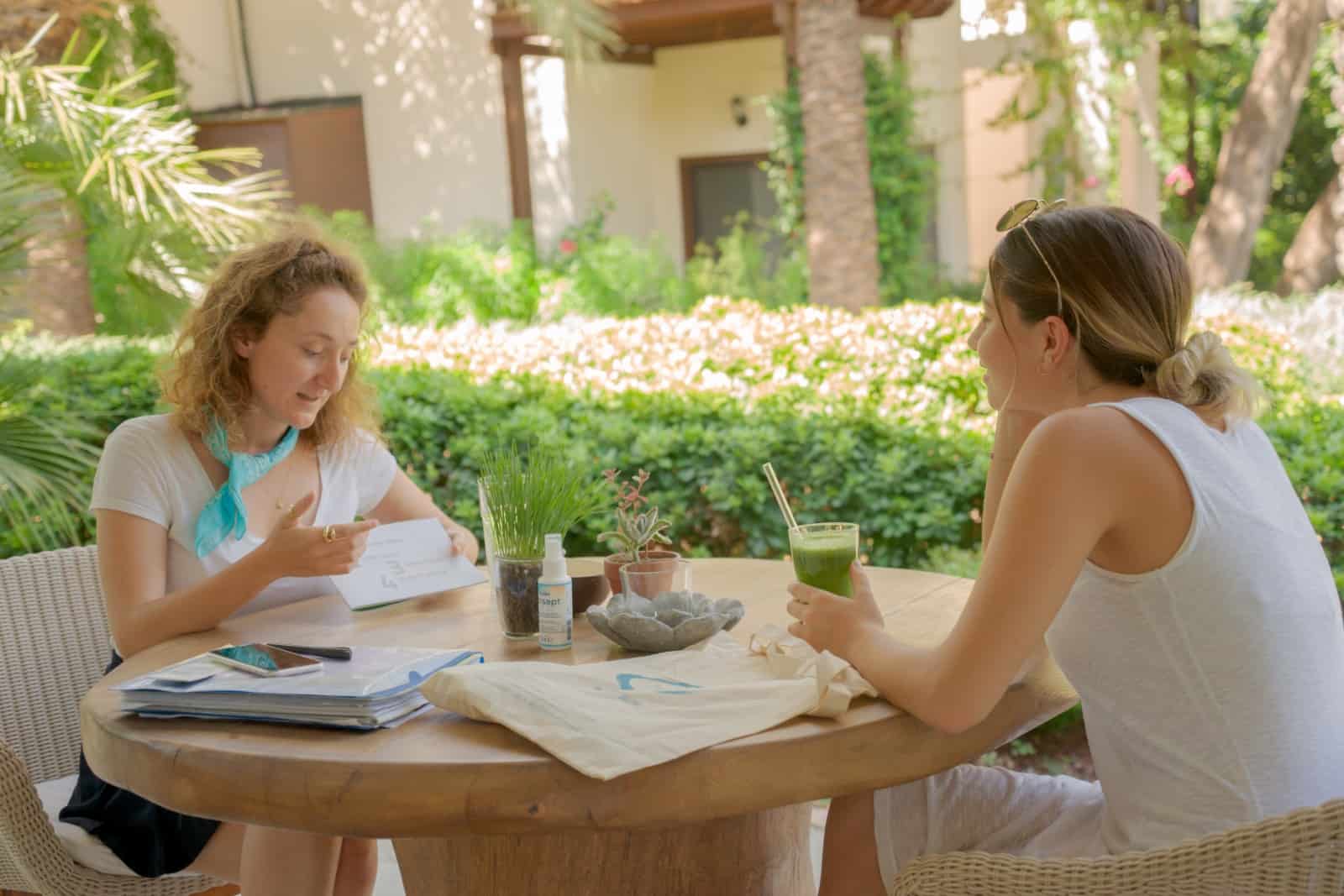
Tailored Solutions
Programs at TheLifeCo
Cleanse your body with our award-winning detox programs as a foundation of your transformation.
An effective and lasting way to lose weight, while achieving various health benefits to achieve a better functioning body
Hypertension is considered a silent killer as it is difficult to detect. Our low-calorie plant-based programs will protect you against this threat
Consider giving your liver the well-deserved rest to let it recover and function more effectively by joining an IV intensive program at our centers
Type II diabetes is a reversible disease with life quality decreasing side effects. You may reverse it with a 21-day program at TheLifeCo
A different Food Experience with our innovative cuisine to change the way you think and feel about nutrition
If you are into gaining muscle as you get rid of your toxins, this program can increase your muscle ratio by targeted exercising suitable during detox.
Medically supervised water fasting applied at our centers can be considered as the ultimate detox experience. Witness the anti-aging effects of water fasting at TheLifeCo
Anti Aging at TheLifeCo starts from inside out with targeted natural treatments and an intermittent fasting meal plan
Invest in your heart health by joining a program that focuses on balancing your diet and maintaining a healthy cholesterol level
Information Request
Our Guest Relationship Officer will contact you shortly to guide you in choosing the optimum options for your journey.
Experience the ultimate wellness journey with TheLifeCo by taking advantage of our early booking discounts. By securing your spot ahead of time, you guarantee your place in our programs and enjoy special savings.
With the awareness of holistic healing, TheLifeCo Wellbeing medical consultants have developed the Post-Covid Program to help you return to a healthier way of life, regain energy, strengthen the immune system and enjoy total health after Covid-19 infection.
Learn how to access the present moment and connect with your inner power and freedom with a mental wellness retreat. This is the source of lasting happiness. All of our centers offer professional yoga and meditation sessions in addition to one on one expert sessions.
We offer a variety of food prepared with fresh and high-quality ingredients in our healthy nutrition programs. These plant-based programs are created for your personal needs and help you continue your practice long after your stay. Food in our programs does not only are the meals improve your health, but they are also delicious!
Join one of our detox programs to get rid of physical and mental toxic load. Developed with specialists, each detox program at TheLifeCo will be personalized for your needs. Our Master Cleanse program was awarded the Best Detox Programme of 2018 at World Spa Awards.
Therapies we offer bring vital substances your body requires. Ozone, Vitamin C, Glutathione and many other therapies are available at our centers. Spa treatments we offer include relaxing and healing massages, slimming therapies, beauty services with anti-aging effects and more!
To prevent viruses and infectious diseases, the necessity of boosting our immune system has become vital. Our medical consultants have developed therapies to boost your immunity. Increase your body’s resistance at TheLifeCo centers.