What Is Cortisol Belly?
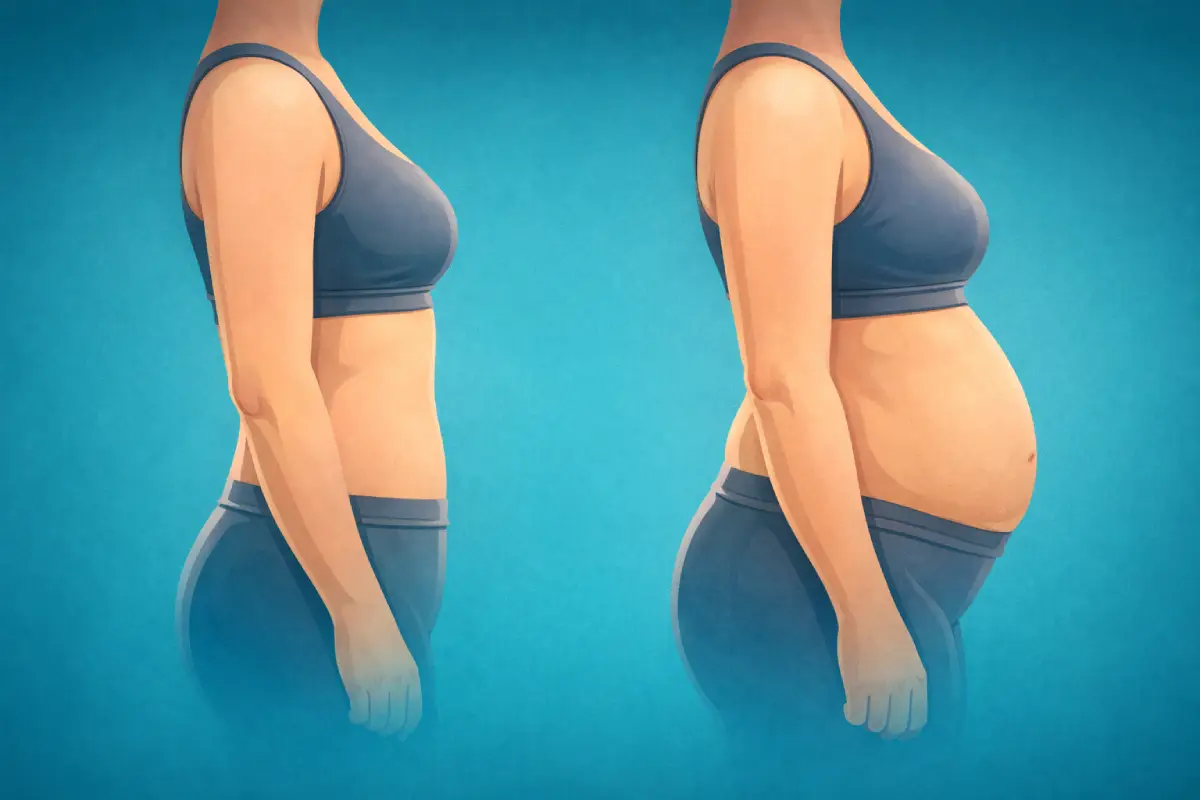
Cortisol belly is simply the bloated appearance around the abdominal area, whether you are overweight or not. When stress hormone cortisol levels remain chronically high, it causes fat storage around internal organs, particularly around your abdomen.
‘Cortisol belly’ is not a medical term, but it has become very common on the internet. The cortisol belly can appear due to stress, which in turn can create more stress because of having a bloated appearance around the belly. We prepared this article to break this vicious stress cycle for you.
Understanding the Stress Hormone
Adrenal glands produce the cortisol hormone to regulate your body’s response to stress. Cortisol receptors are present in most cells in the body, with different functions.
These functions include regulating metabolism and blood sugar levels, reducing inflammation, and controlling the sleep-wake cycle. However, high cortisol levels can harm our bodies and cause unwanted symptoms.
What Does Cortisol Belly Look Like?
A cortisol belly often appears as a round, firm belly with excess fat mainly in the abdominal area. While the fat around the belly is visible, the arms, legs, and face may remain relatively lean.
Unlike general weight gain, this belly feels dense, not soft or saggy. Meanwhile, the cortisol belly doesn’t respond easily to conventional dieting or exercise. Fatigue, poor sleep, sugar cravings, and even mood fluctuations come along with it.
Cortisol Belly vs. Regular Belly Fat
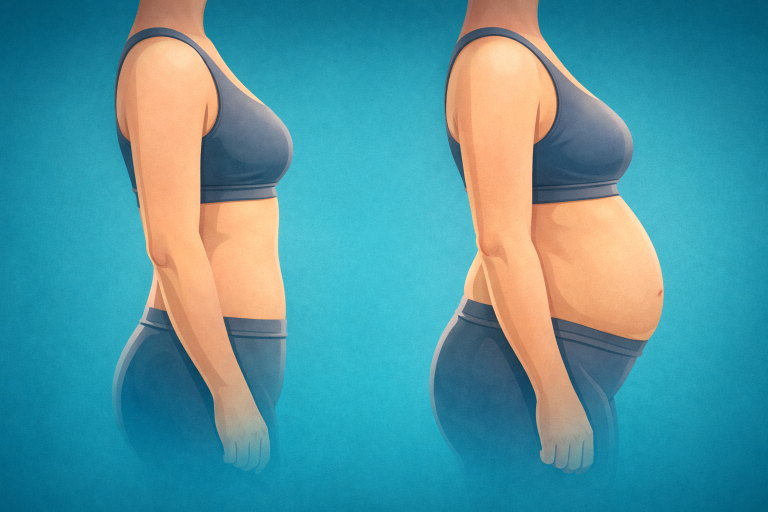
A regular belly usually appears as softer, evenly distributed fat around the abdomen and often occurs along with weight gain in other areas such as the hips, thighs, arms, or face.
This fat feels soft or pinchable and typically responds well to calorie control, balanced nutrition, and regular exercise. It’s generally linked to overall calorie surplus, sedentary lifestyle, or aging, and is not consistently associated with stress-related symptoms.
Is Cortisol Belly Real? The Science Behind Stress and Belly Fat
How Cortisol Affects Fat Storage
When cortisol levels are chronically high, the body is more likely to store energy as fat, particularly around the abdominal area. Chronic stress can also disrupt insulin balance, slow metabolism, and make fat loss more difficult, even with diet or exercise.
The Role of Visceral Fat in Your Health
Research on Cortisol and Abdominal Fat
Scientific research shows a strong link between chronic stress, high cortisol levels, and abdominal fat accumulation. Based on the studies, people with chronic stress tend to store more visceral fat, even without significant changes in overall body weight.
What Causes High Cortisol Levels?
Chronic Stress and Emotional Distress
Our bodies have limits to the cortisol levels they are designed to handle, and chronic stress can push them beyond those limits. We now know that a certain amount of stress is healthy, even required, as a driving force and a form of protection. It helps you stay alert and function as an energy mobilizer. But if stress becomes chronic, the nervous system can never take a day off.
This might happen because of an overloaded, hard-shipped life or an unregulated nervous system that causes us to experience daily life events as extreme stressors. The outcomes can be irritability, mood swings, digestive issues, skin breakouts, and cravings. If high cortisol remains unregulated, it can start to affect many aspects of one’s quality of life, such as sleep, weight management, and recovery.
Poor Sleep Quality and Sleep Deprivation
We all know how sleep affects our quality of life. Still, we focus more on how long we sleep instead of the quality of our sleep. A consistent sleep routine is a must to maintain our sleep quality and support the daily natural cortisol rhythm.
Cortisol levels are highest in the morning to help us wake up, and they drop at night to support our transition to sleep. When this flow is disturbed, we end with high cortisol levels in the evening. Thus, having quality sleep becomes impossible; this results in increased stress hormones the next day, and the cycle continues.
Unhealthy Diet and Lifestyle Habits
Negative effects of stress, including the cortisol belly, do not become visible in one-time choices but in lifestyle habits that we choose to stick to every day. Diet plays a large part. Undereating, overeating, making processed foods the baseline of your diet, and mornings full of caffeine and sugar are going to make your blood sugar unstable one day or another.
When you do not follow a healthy diet, your body releases more cortisol to help you maintain steady energy. The most hurtful options are the ones that seem helpful at first, such as alcohol, doom scrolling, sugary treats… These provide sudden mood lifts and relieve tension, but come with a heavy drop. For balanced blood sugar and, therefore, cortisol levels, you need balanced routines.
Medical Conditions: Cushing's Syndrome and Beyond
Cushing’s syndrome and other medical conditions can, unfortunately, lead to high cortisol. This syndrome often occurs when a person experiences excess cortisol levels for an extended period. These high levels are a result of either the body’s overproduction or from high doses and prolonged usage of certain kinds of medication, such as prednisone.
Tumors and ACTH production are among the internal causes. If you are in doubt, please watch your central weight gain, changes in your facial appearance, random bruising, and shifts in your blood sugar and pressure. But as this list overlaps with many other possible conditions, we always recommend proper testing and medical supervision.
Overexercising and Inadequate Recovery
Too much of a good thing can still cause harm, as we are not machines but living beings that also need recovery and rest. While cortisol is a healthy hormone that helps during training, excessive exercise can keep cortisol levels elevated.
If enough aftercare and rest are not allowed, you would be forcing your body into a prolonged fight-or-flight state, keeping it on its tippy toes. Results can include fatigue, decreased performance, poor sleep, persistent cravings, muscle breakdown, and more. You will also be more prone to injuries due to a weakened immune system.
Signs and Symptoms of Cortisol Belly
Physical Signs of Elevated Cortisol
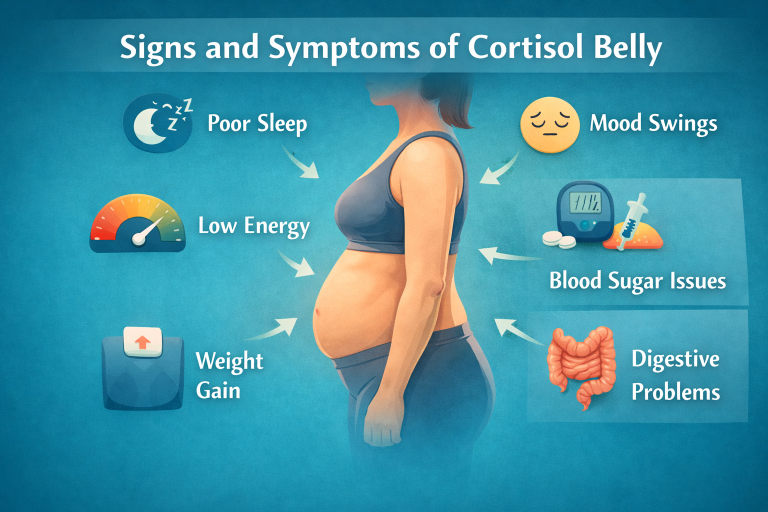
People with high cortisol levels often experience a range of physical problems, including:
- Abdominal weight gain
- Mood swings
- Digestive problems
- Blood sugar issues
- Poor sleep
- Acne and headaches
- Slow healing of scars
- Muscle weakness
- Severe fatigue
Cortisol Belly in Women: What to Know
Cortisol levels are closely connected to progesterone and estrogen in women. Cortisol belly is less about calories and more about managing stress, sleep, blood sugar, and hormonal balance.
If you are a woman with chronic stress or hormonal shift (PMS, perimenopause, menopause), your body is more likely to store fat around the lower belly and waist. Emotional stress can also raise cortisol levels.
Talk to a Wellness Expert
Get personalised guidance on a tailored weight loss retreat, built around TheLifeCo’s signature detox core and healing journey for lasting body and mind balance.
How to Get Rid of Cortisol Belly Naturally
Stress Management Techniques That Work
Managing stress is an easy sounding yet hard work. We are surrounded by natural but mostly artificial stimulants and we are exposed to those in unnatural frequencies. Starting with the basics and setting realistic, little goals that will not make you fail at the beginning while trying to transform your life is always the best way.
For example, decide on a sleep time and length that you can stick to. Create a 15-minute space in your everyday plan before 2 pm to stay under the daylight. Have a 10-minute meditation or yoga routine that will not push your limits, and do not only focus on movement, but also breath and mental flow. The cortisol detox plan is different for everybody, so do not be scared to start again until you find yours.
Exercise for Cortisol Balance (Not Too Much, Not Too Little)
Everybody knows that zero or little movement is unwanted for physical and mental health. But are all forms and amounts of exercise beneficial? Your goal can be to lose weight quickly, tone up quickly, or get what is stuck on your mind with 3-hour runs.
Do not forget that as the intensity and length of exercise increase, the rest needed afterwards also gets longer and deeper. Movement is a great tool for addressing hormonal fluctuations and building resilience. Extremes will cause your cortisol to be chronically elevated. We would advise increasing your exercise levels slowly and combining strength training with less intense movements, such as yoga or stretching.
Prioritizing Quality Sleep
Sleep is where we close the doors to the unknown, to stress indicators, to responsibilities… at least, that’s what it should be like. It is a time for recovery, rest, and natural cleansing for the body. If you prioritize your sleep quality, you will start to see improvement in every aspect of life.
If you are currently in a loop of bad sleep – bad day – bad sleep again, choose the next day you can allow yourself to sleep a bit longer and deeper than usual, and make it your reset day. Turning your mind off gradually before sleep is what matters the most. You cannot go directly from a 30-minute marathon of short video content to deep sleep. Read, move, take a warm shower, and allow your sleep to come to you naturally.
Building Healthy Relationships and Social Connections
As commonly said, humans are social beings. Our nature requires community and being perceived by others. The sense of belonging to a group and having healthy relationships helps us by providing stability, safety, and trust, reducing emotional load.
When you know you are not alone against challenges, your nervous system does not stay on high alert. Joining a wellness retreat where you can learn tools to manage stress in life can help you have long-term achievements with the support of a like-minded community.
Best Diet to Reduce Cortisol Belly Fat
Foods That Lower Cortisol Levels
What we eat plays an important role in helping to balance cortisol levels. Plant-based foods like leafy greens, legumes, whole grains and root vegetables support the nervous system with their magnesium and complex carb content. Thus, blood sugar becomes more stable, and the body’s need to release cortisol becomes less.
Antioxidant vegetables, berries and herbs help counter oxidative stress and support hormonal balance. Along with the food itself, eating mindfully is also important to relax and release stress from the body.
The Mediterranean Diet Connection
The Mediterranean diet supports cortisol balance by avoiding extremes and allows the body to regulate without added stress. This makes the Mediterranean diet ideal for those who want to avoid high cortisol levels and stress-related belly fat.
Rich in vegetables, legumes, whole grains, olive oil, nuts, and seeds, the Mediterranean diet can provide you with sustained energy while supporting your gut health, hormonal regulation, and more stable blood sugar levels, all of which play a key role in managing cortisol belly.
Foods to Avoid for Cortisol Control
Certain foods can quietly keep cortisol high.
- Refined sugars and ultra-processed carbohydrates cause sharp blood sugar spikes, which in turn trigger the release of stress hormones.
- Drinking too much coffee, especially when consumed on an empty stomach, can increase cortisol release by triggering the adrenal system.
- Alcohol may feel relaxing in the moment, but it disrupts sleep cycles and interferes with nighttime cortisol recovery.
- Highly processed foods also contribute to low-grade inflammation, placing additional strain on the body.
Reducing these inputs is less about restriction and more about removing unnecessary stressors that interfere with hormonal balance.
Supplements for Cortisol Support
| Supplement | Key Benefits |
|---|---|
| Magnesium | Supports nervous system relaxation and helps improve sleep quality, both essential for cortisol regulation. |
|
Adaptogenic Herbs (Ashwagandha, Rhodiola) |
Help the body adapt to stress more efficiently, supporting a balanced cortisol response rather than overproduction. |
| Omega-3 Fatty Acids | Support inflammation balance and brain health, indirectly aiding stress resilience and hormonal stability. |
| B-Complex Vitamins | Assist energy metabolism and nervous system function during prolonged physical or emotional stress. |
As stress responses and nutritional needs are highly individual, supplementation should always be personalized. Consulting with a healthcare professional can ensure that supplements, dosages, and combinations align with your body’s needs and overall wellbeing goals.
How to Lose Cortisol Belly: Step-by-Step Action Plan
Week 1-2: Foundation Building
If you want to manage cortisol belly, the first step is to reduce both physical and mental stress. Chronically high cortisol, unstable blood sugar, and poor recovery signal your body to store fat, especially around the abdomen.
Start by creating stability. Regular, plant-based meals help steady energy levels and prevent glucose spikes, while small adjustments to sleep support a healthier cortisol rhythm. Rather than restriction, predictability and nourishment help calm stress signals and prepare the body to let go.
Week 3-4: Implementing Lifestyle Changes
As stress levels decrease, supportive lifestyle practices become more effective. Gentle movement, breath-focused techniques, and mindful eating help regulate the nervous system, while anti-inflammatory, nutrient-dense foods support metabolic balance. You can replace high-intensity pressure with rhythms that feel supportive rather than exhausting.
Long-Term Maintenance Strategies
For long-term results, sustainability matters more than perfection. When stress-aware routines, quality sleep, and consistent nourishment become part of daily life, cortisol stabilizes and weight regulation becomes a natural outcome.
Ready to experience what happens when physical and mental stress are removed?
Discover an approach designed to help your body release weight by restoring balance.
Weight Loss Through Balance
Frequently Asked Questions About Cortisol Belly
Does Cortisol Cause Belly Fat?
How Long Does It Take to Lose Cortisol Belly?
Can You Spot-Reduce Cortisol Belly Fat?
What Is Cortisol Face?
How do I get rid of the cortisol belly?
You can check out TheLifeCo’s signature detox and six-layer weight-loss retreat for a personalised experience that supports sustainable change for body and mind.
What drink reduces cortisol levels?
Simple is better, so water. Increasing your hydration helps with glucose stabilization. Also, unsweetened vegetable juices can help regulate your blood sugar.