When Cold Becomes Therapy
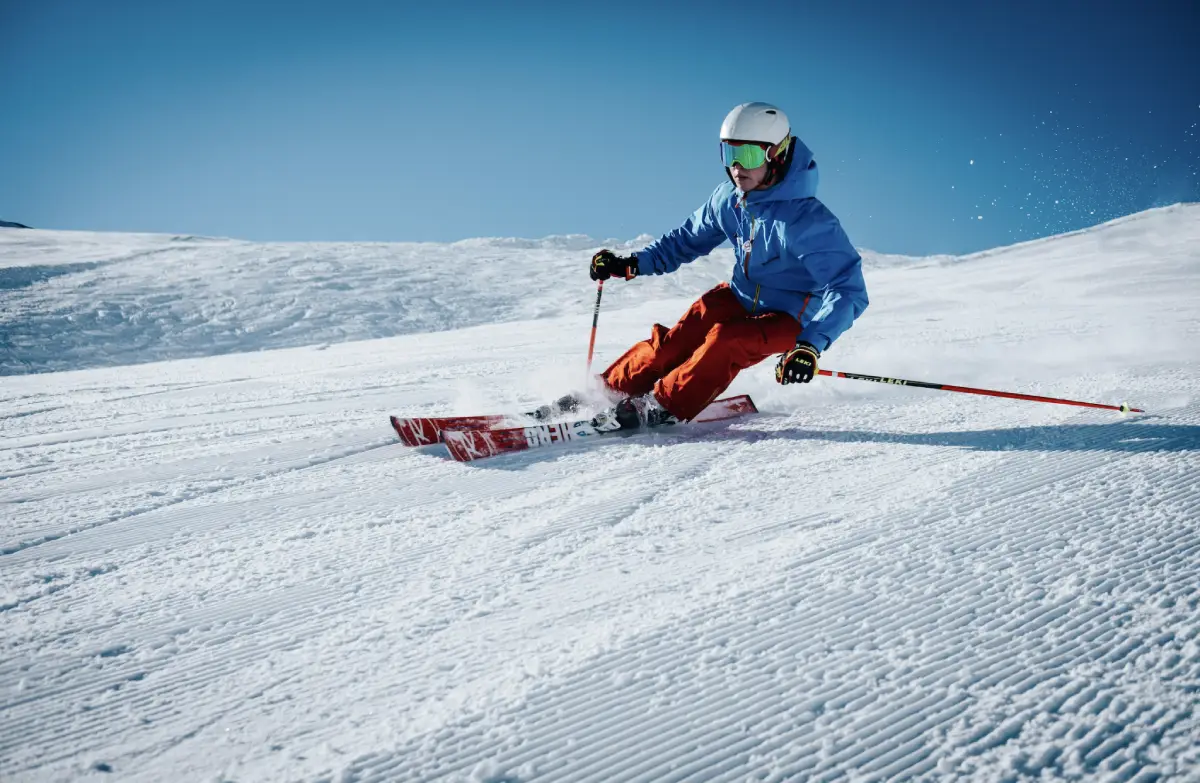
In February 2026, the world’s attention turns to Italy for the start of the Winter Olympics across beautiful Alpine landscapes. From skiing and figure skating to the precision of curling, millions watch athletes perform in freezing temperatures.
As the world admires their strength, discipline, and focus, consider a simple question:
Have you ever thought about what conscious exposure to cold actually does to the human body?
Winter sports are physiologically demanding. Training and competing in cold environments force the body to adapt, improving endurance, circulation, focus, inflammation regulation, and recovery capacity. When your body encounters cold:
- Blood vessels constrict and then reopen, improving circulation.
- Inflammatory responses are regulated.
- The nervous system activates and resets.
- Endorphins and mood-enhancing hormones increase.
- Brown fat activity supports metabolic health.
In short, cold creates adaptation and adaptation builds resilience. Athletes intuitively understand this. Recovery routines in professional sports often include cold immersion, contrast therapy, and altitude training as science-backed strategies to enhance performance.
If you admire Winter Olympic athletes competing at Milano Cortina 2026, you may not perform at their athletic levels, but here is the good news:
You don’t have to be an Olympian to benefit from the cold! Here are the top 3 cold therapy options for better health and peak performance:
Discover the Top 3 Therapy Options for 2026
Cold Plunge Therapy

From Vikings till today, using cold water is a popular method to increase endurance and strengthen the immune system. Cold water immersion is one of the most researched recovery methods in sports performance. Cold baths and ice baths are widely used among professional athletes to reduce muscle inflammation, accelerate recovery, and support post-workout recovery.
Diving into cold water may benefit not only physical but also mental health. It is believed that cold water therapy can reduce stress responses and improve mood.
Dutch adventurer Wim Hof has demonstrated remarkable endurance and cold tolerance through cold water immersion and breathing techniques. You can prepare yourself with a 15-minute breathing exercise before immersing yourself in cold water. Cold plunge temperatures can be as low as 2 °C, but recommended temperatures are often between 8°C and 14°C .
Cold plunge can improve health in a more holistic way:
- Boosts immune system function
- Increases mental clarity and focus
- Enhances muscle recovery and repair
- Reduces inflammation and swelling
- Improves circulation and blood flow
- Speeds up metabolism and fat-burning
Hypoxia High Altitude Therapy

Winter competitions often occur at altitude, where oxygen levels are lower. Athletes travel to mountainous regions to improve their performance. Research on high altitude training and its benefits has been ongoing since the 1960s.
Athletes adapt to high altitude by increasing their oxygen efficiency, which improves endurance and recovery. High altitude therapy recreates this environment in a safe, controlled way.
Controlled low oxygen inhalation, known as Hypoxia high altitude therapy, speeds the formation of new, healthy mitochondria while promoting the removal of worn-out and dysfunctional mitochondria. Anyone can take their fitness to the next level with this therapy that fastens cellular regeneration.
Scientifically proven benefits include:
- Quicker recovery from sports injuries and from the overtraining syndrome
- Increased duration of acute physical load
- Benefits in certain pulmonary conditions (e.g. COPD).
- Effective complementary treatment for hypertension
- Better endurance performance
- Reduced cardiometabolic risk
- Weight management
- Regeneration of red blood cells
- Improved cognitive performance (even in the elderly).
- Improved aerobic and anaerobic performance
Cryotherapy

Cryotherapy is a popular cold therapy with athletes and biohackers. It’s fast, intense, and invigorating.
Cryotherapy works by exposing the body to extremely cold air for a short, controlled time. Chamber temperatures can drop to -110°C and sessions last 5 to 15 minutes, depending on the goal.
This rapid stimulus can:
- Help reduce inflammation.
- Support pain management.
- Enhance recovery after training.
- Stimulate collagen production.
- Improve sleep quality.
How to Start Cold Therapy
You don’t have to fear the cold. In fact, with the right guidance, cold can transform you.
This year, inspired by athletes performing in the cold, you can try experiencing what controlled cold can do for you. At TheLifeCo, you can access cold therapies along with many other effective biohacking methods in a therapeutic setting with expert guidance. Discover how cold can transform health, mood and performance by booking a free consultation.