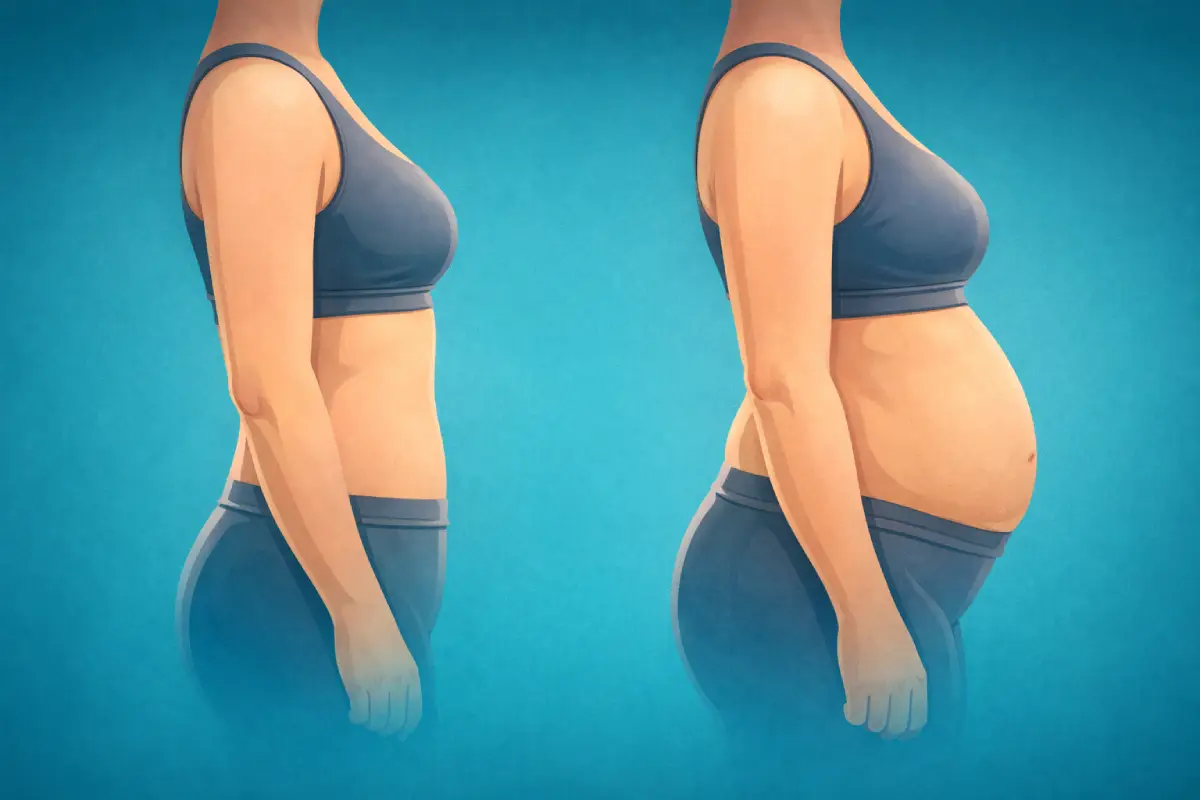
Why Am I Not Losing Weight Despite Doing Everything Right?
If you feel like you are doing everything “by the book” but still not seeing results, you are not alone. Many people follow structured plans, eat carefully, and stay consistent, yet progress feels slow or completely stuck. This often leads to self-doubt and frustration. The reality is that weight loss is influenced by far more than just effort. Your body’s biology, stress levels, hormones, and daily habits all play a role in how and when results show up.
In this article, you’ll find the most common reasons why weight loss can stall, even when you feel like you’re doing everything correctly.
Understanding the Math of Weight Loss
Weight loss is often explained as a simple equation: burn more calories than you consume. While this is technically true, it doesn’t always play out in a perfectly predictable way. Calorie needs change over time, and your body adapts to prolonged restriction by becoming more efficient. This means the same calorie intake that once led to weight loss may eventually only maintain your weight.
The Difference Between Weight Loss and Fat Loss
Losing weight and losing fat are not always the same thing. The scale measures everything: fat, muscle and water. You may be losing fat while gaining muscle or holding onto water, especially if you are exercising or strength training. In these cases, your body is changing in a positive way even if the scale does not reflect it yet.
How Your Body Fights Back Against Weight Loss
Your body is naturally programmed to protect you. When weight loss is approached through extreme restriction or short-term fixes, the body often responds by slowing metabolism, increasing hunger signals, and holding on to fat. This is why many people experience plateaus or rapid weight regain after dieting.
For weight loss to be sustainable, the choices you make need to be holistic. Lasting results come from supporting both the body and the mind at the same time. True transformation happens when physical habits and emotional well-being move forward together.
Why Am I Not Losing Weight in a Calorie Deficit?
You May Be Eating More Than You Think
If you feel like you’re “doing everything right” but the scale isn’t moving, you’re not alone. Portion sizes, drinks with high sugar content and frequent snacking can increase daily intake without you noticing. Even small miscalculations can erase the calorie deficit you believe you’re maintaining and prevent you from losing weight.
Hidden Calories in “Healthy” Foods
Many people are surprised to learn that foods they trust as healthy can still slow progress. For example, one cup of orange juice has more calories than one single orange. Juices, oils, dressings, and smoothies with hidden calories can quietly prevent weight loss progress.
Your Metabolism Has Adapted
If you’ve been dieting for a long time and feel stuck despite consistency, your body may be responding protectively. When you restrict calories for a long time, this can slow metabolic rate as the body tries to conserve energy. When this happens, weight loss may stall even if your eating habits haven’t changed.
You Are Not in a True Calorie Deficit
Sometimes it feels frustrating to eat less and still see no results. Stress, poor sleep, and hormonal imbalance can affect how your body uses calories. If the body feels under pressure, it may resist fat loss even when intake appears low. By following a guided program that aligns daily calorie intake with your weight-loss goals, you can stop guessing and create the conditions your body needs to respond.

Why Am I Exercising and Not Losing Weight?
Muscle Gain vs. Fat Loss
The reason why you are not losing weight while exercising can be muscle gain in the early stages. When you start exercising regularly, your body may build muscle while losing fat at the same time. Since muscle is denser than fat, the scale may not change even as your body composition improves. Gradually, you will start losing weight as your body adapts and fat loss becomes more consistent.
Overestimating Calories Burned During Exercise
Many people overestimate how many calories they burn during workouts and end up eating more afterwards. If exercise calories are compensated with extra food, the calorie deficit needed for weight loss may never actually occur. This can slow the weight loss process despite regular exercise.
Exercise Alone Is Not Enough for Weight Loss
Exercise supports weight loss and our overall health, but without proper nutrition, stress management, and recovery, it may not lead to weight loss. Never forget that sustainable results come from a balanced lifestyle, not workouts alone.
Why Am I Losing Inches But Not Weight?
Body Recomposition Explained
Losing inches without seeing changes on the scale is often a sign that your body composition is improving. This usually happens when you are losing fat while gaining muscle at the same time. Muscle takes up less space than fat but weighs more, so your body becomes leaner and more toned even if your overall weight stays the same. This process is known as body recomposition and is actually a very positive outcome, especially if you are exercising or strength training regularly.
Why the Scale Doesn't Tell the Whole Story
The scale only shows your total body weight. It cannot distinguish between fat, muscle, water, or glycogen stored in your muscles. Because of this, it often fails to reflect real progress. Hormonal changes, inflammation, and water retention can also cause daily weight fluctuations that hide fat loss. This is why relying solely on the scale can be misleading and discouraging.
Better Ways to Track Your Progress
To get a clearer picture of your progress, it helps to look beyond the scale. Measuring your waist and hips, or taking progress photos can provide more meaningful feedback. Tracking strength gains, energy levels, and overall well-being also reveals changes that the scale cannot show. Still, the most accurate and sustainable results come from following a structured weight loss plan with expert guidance. This way, progress can be monitored holistically rather than judged by the scale alone.
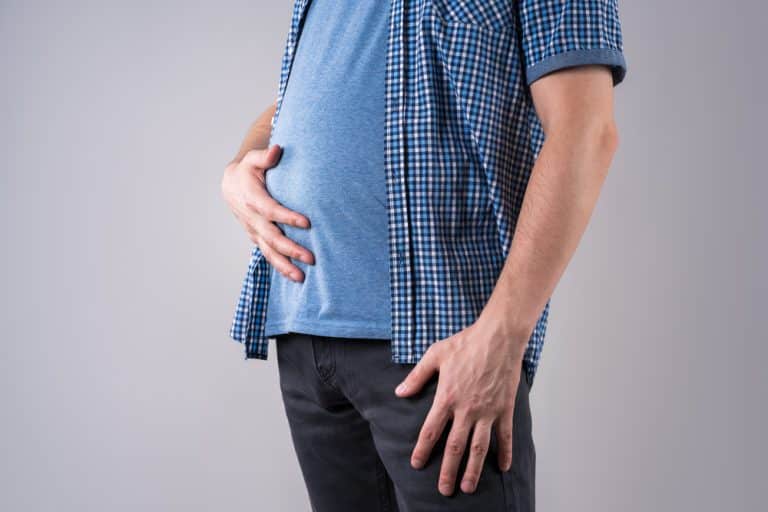
Why Am I Losing Weight But Not Belly Fat?
How Fat Loss Works in Your Body
Fat loss does not happen evenly across the body. As you lose weight, your body decides where fat is released first, and the abdominal area is often one of the last places to respond because it serves as a protective energy reserve, especially during periods of stress or hormonal imbalance.
Hormones and Belly Fat Storage
High cortisol levels from chronic stress promote abdominal fat storage, especially visceral fat. This makes belly fat more resistant, even as overall weight decreases. This belly fat is often called “cortisol belly” because it’s mostly associated with high cortisol levels.
Targeted Strategies for Reducing Belly Fat
Reducing physical and mental stress, improving sleep, and stabilizing blood sugar help lower cortisol levels. When the body feels safe, visceral fat becomes easier to release over time. You can also try targeted core exercises to improve abdominal muscle tone.
Why Am I Not Losing Weight on Intermittent Fasting?
Overeating During Your Eating Window
The reason why you are not losing weight on intermittent fasting can be overeating during the eating window. Even if you stick to your fasting hours, consuming high calorie foods during the eating window can block your weight loss process. If you want a structured eating – fasting window during intermittent fasting, you can check expert-led programs or wellness apps to achieve healthy weight loss.
Not Fasting Long Enough
Keeping fasting windows short can slow down the body’s fat metabolism. Extending your fasting period gradually, on the other hand, can help you preserve your energy and trigger the body to burn fat effectively.
Choosing the Wrong Fasting Protocol
Intermittent fasting has different protocols, like the 18:6, 16:8 or 5:2 diet. Selecting a protocol that fits your lifestyle can help your body adapt to the weight loss process naturally. You can learn more about intermittent fasting and the types of protocols to find the one that suits you best.
Why Am I Not Losing Weight on the Carnivore Diet?
High Calorie Density from Animal Fats
A carnivore diet plan focused mostly on animal fats can be calorie-dense and lack fibre and micronutrients. Without fibre and micronutrients, it becomes harder for the body to naturally regulate or lose weight. Learn why eating plant-based foods can transform your relationship and help you lose weight naturally.
Initial Weight Fluctuations Without Long-Term Stability
Early weight changes on restrictive high-fat diets like the carnivore diet may feel like progress, mostly because of water loss. However, without plant-based nutrients and fiber, your body may struggle to maintain metabolic balance and sustainable energy in the long term. So, the reason why you are not losing weight on the carnivore diet is mostly the weight fluctuations and lack of plant-based nutrients.
Medical Reasons Why You Are Not Losing Weight
Thyroid Disorders and Hypothyroidism
Polycystic Ovary Syndrome (PCOS)
Hormonal imbalances in PCOS can cause insulin resistance and increase fat storage. PCOS is also one of the reasons for ‘hormonal belly‘, where fat is mainly accumulated around the abdominal area. Building healthy lifestyle habits can support those with PCOS holistically and maintain a healthy weight.
Insulin Resistance and Metabolic Syndrome
When your cells resist insulin, blood sugar spikes and fat storage increase. Balanced nutrition and routines are great ways to stabilize glucose levels and support healthy weight loss. If you have type 2 diabetes, prediabetes or insulin resistance, learn more about how to achieve balanced blood sugar levels naturally.
Medications That Cause Weight Gain
Hormonal Imbalances During Menopause
Menopause is a period that causes shifts in estrogen and progesterone. These hormonal changes can affect fat distribution and metabolism, potentially disrupting weight loss.

Lifestyle Factors Sabotaging Your Weight Loss
Chronic Stress and Cortisol
Chronic stress keeps your cortisol levels high. High cortisol can make your body store energy as abdominal fat and disrupts insulin balance. Thus, weight loss becomes harder even with diet and exercise.
Poor Sleep Quality
Sleep quality strongly affects your natural cortisol rhythm. If your sleep is disturbed and cortisol remains chronically high in the evenings, this can undermine weight regulation in the long term.
Not Drinking Enough Water
Hydration supports glucose stabilization and metabolic processes. When you don’t drink enough water, your body may struggle to regulate blood sugar and stress responses and indirectly interfere with weight loss.
Drinking Alcohol Regularly
Drinking alcohol regularly or excessively can disrupt your blood sugar levels and sleep, which can elevate your cortisol levels. High cortisol works against balanced metabolism and can make it harder to lose weight, especially around the belly.
Artificial Sweeteners and Diet Drinks
While often used as “low-calorie” options, diet drinks and artificial sweeteners can disrupt natural hunger and glucose regulation and make weight loss more challenging.
If you want to build sustainable lifestyle habits rather than rely on short-term fixes, a holistic approach that addresses both physical and mental well-being, such as TheLifeCo’s holistic method, can help create lasting change by supporting the body as a whole.
Weight Loss Through Balance
Frequently Asked Questions About Weight Loss
Why Am I Working Out and Not Losing Weight?
Why Am I Not Losing Weight When I Eat 1200 Calories?
Can Stress Prevent You From Losing Weight?
How Long Should I Diet Before Seeing Results?
Why am I not losing weight even though I am exercising and eating right?
What is blocking my weight loss?
What is the 30 30 30 rule for weight loss?
How to speed up weight loss?
By creating digestive gaps, meaning intermittent fasting, you can help boost fat burn. You can gradually drop your calorie intake. You can try a 3-day juice detox or water fasting to overcome a weight-loss plateau.